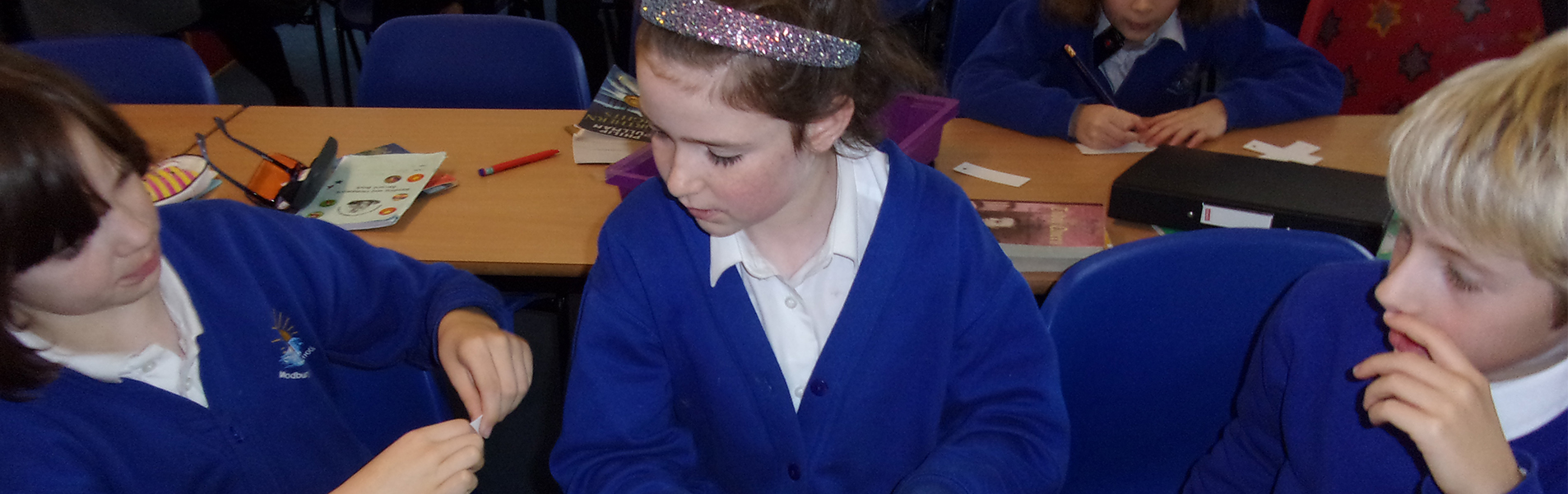
upper primary students observing a science investigation in their classroom

Did you know?

Topic Icon

Animals, Biodiversity & Habitats, Climate Science, Electricity, Energy, Evolution & Inheritance, Forces, Light, Plants, Properties & Uses of Materials, Rocks, Fossils and Soils, Seasonal Change, Sound, Space, States of Matter

Category Icon

Enrichment, Practical Science, Science Enquiry, Scientists and their work, Topical Science

Age icon

7-9, 9-12

Cutting-edge research can be linked to primary science curriculum topics.

Aimed at teachers and adults interested in introducing cutting-edge science research projects to primary age children, PSTT has created freely downloadable Did you know? articles which are linked to primary science curriculum topics.

Articles are written in language that primary children can understand and suggest questions for children to consider.

Accompanying Teacher Guides (which can be used a classroom presentations) describe activities and investigations that children can do related to the research.

You might have noticed some improvement if you’ve been a long time user of I bet you didn’t know… We have recently updated the resource to Did you know? – this resource still links to cutting-edge science but now with the following improvements:

  • Reading opportunities to help children understand how science is applied in the world around them.
  • Guidance for teachers to improve science capital by encouraging pupils to connect science learning to world events.
  • Teacher Guides are now made simpler by linking the research to one primary science topic and one learning objective within that topic.

Learn more about this resource from our recent Did you know? webinar. Presenters will share examples of articles which explain cutting-edge research in language that primary children (aged 7-12) can understand and suggest questions for children to consider. For more webinars and professional learning opportunities, visit our events’ page here.

AI is used to predict the weather

Explore how the internet and AI have developed and how they are used in weather forecasting

Our latest article supports learning in computing, weather and climate by helping children understand how artificial intelligence is used to predict the weather. Pupils explore how the internet has developed over time, from early communication technologies to modern AI systems used by meteorologists today.

The article can be discussed with the class (or read independently by older primary pupils). The accompanying Teacher Guide includes investigations to carry out with your class to build a timeline to AI as well as three cross-curricular links. The article and Teacher Guide can be downloaded below.

a scientist working at a desk with multiple computer monitors displaying weather maps and satellite imagery in a modern office/lab setting

Did you know?

  • Clear filters
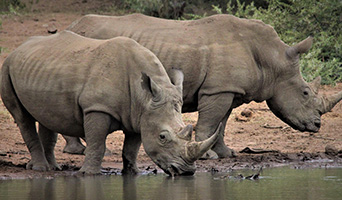
Two rhinos at water

Evolution & Inheritance, Rocks, Fossils and Soils

The Fossilised Secrets of the Rhino and the Beetle

Curriculum focus: Fossils

Enrichment, Practical Science, Science Enquiry, Scientists and their work, Topical Science | 7-9, 9-12

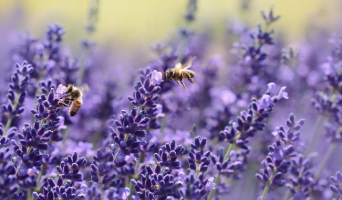
close image of purple flowers in a meadow with two bees in focus

Biodiversity & Habitats

Floral Scents May be Changed by Air Pollutants

Curriculum focus: Adaptation

Enrichment, Practical Science, Science Enquiry, Scientists and their work, Topical Science | 7-9, 9-12

It helped me think like a scientist as it gave me ideas to base my own ideas on.

Rose (aged 9) Devon

Three pupils learning

About the project

What are the benefits of introducing cutting-edge research to children?

  • Children learn how current science research has an impact on real-life.
  • By carrying out related investigations in the classroom, children can imagine themselves as scientists.
  • Children’s attitudes towards science research and scientists are enriched.
  • Children’s science capital is enhanced.

Download these guides to find out more about the project and how to use I bet you didn’t know… resources in your classroom.

Guidance

IBYDK Guidance

Meet the Team

IBYDK team

Further reading

IBYDK Publications

Safety Notice & Disclaimer

PSTT advises teachers to refer to either the CLEAPSS website or SSERC website for up to date health and safety information when planning practical activities for children.

PSTT is not liable for the actions or activities of any reader or anyone else who uses the information in these resource pages or the associated classroom materials. PSTT assumes no liability with regard to injuries or damage to property that may occur as a result of using the information contained in these resources. PSTT recommends that a full risk assessment is carried out before undertaking in the classroom any of the practical investigations contained in the resources.

All materials are ©Primary Science Teaching Trust (PSTT) and are freely available to download and share for educational purposes. Whilst educators are free to adapt the resources to suit their own needs, acknowledgement of copyright on all original materials must be included. Rights to images included in the resource have been purchased for PSTT use only – as such, these images may only be used as part of this resource and may not copied into or used in other materials.

Stay informed

Stay informed

We regularly send out informative email newsletters. Sign up to stay informed.

Checkboxes